Outer knee pain after trauma or sports activity may indicate a Lateral Collateral Ligament injury. The Lateral Collateral Ligament plays a key role in keeping the knee stable, especially during side-to-side movement and sudden changes in direction. When this structure is damaged, knee stability can be affected, leading to pain, weakness, and difficulty walking or performing physical activities.
Athletes, workers, drivers, and active individuals in Bicol, including Naga City, Legazpi City, and Camarines Sur, often experience knee injuries from sports collisions, falls, or road accidents. A Lateral Collateral Ligament injury should be evaluated early to avoid long-term joint problems and instability.
Lao Orthopedic Clinic provides specialized care for Lateral Collateral Ligament injuries, focusing on accurate diagnosis, surgical management when needed, and structured recovery programs designed to help patients regain strength and mobility.
What Is the Lateral Collateral Ligament (LCL)?
The Lateral Collateral Ligament, also called the fibular collateral ligament, is located on the outer side of the knee. It connects the femur (thigh bone) to the fibula (lower leg bone). This ligament helps control side-to-side movement and prevents the knee from bending outward excessively.
The Lateral Collateral Ligament works together with other knee structures such as the anterior cruciate ligament and posterior cruciate ligament to maintain proper knee alignment during movement. When the Lateral Collateral Ligament is injured, the knee may feel unstable, especially during walking, running, or pivoting.
Unlike some other knee ligaments, the Lateral Collateral Ligament is more commonly injured through direct impact to the inner side of the knee or sudden twisting forces. Damage to this ligament can range from mild stretching to complete tearing.
Common Causes of Lateral Collateral Ligament Injury
A Lateral Collateral Ligament injury often happens due to trauma or high-impact activity. Common causes include sports-related injuries where contact or sudden directional changes place stress on the knee. Football, basketball, and running sports are frequent sources of Lateral Collateral Ligament strain or tears.
Road traffic accidents also contribute to Lateral Collateral Ligament injuries, especially when the knee experiences direct force from impact. Falls, particularly those involving twisting of the knee, may also damage the ligament.
Work-related injuries can occur when heavy lifting, slipping, or sudden movement places strain on the knee joint. In some cases, a Lateral Collateral Ligament injury happens alongside other ligament injuries, which may increase the severity of knee instability.
Symptoms of Lateral Collateral Ligament Injury
Symptoms of a Lateral Collateral Ligament injury vary depending on severity. Mild injuries may cause slight discomfort on the outer side of the knee, while severe injuries may lead to significant instability.
Pain along the outer knee is one of the most common symptoms of Lateral Collateral Ligament damage. Swelling may develop shortly after the injury, along with tenderness when touching the area.
A feeling of the knee “giving way” during movement is another important sign of a Lateral Collateral Ligament injury. This instability becomes more noticeable when walking on uneven surfaces or during physical activity.
Reduced range of motion and difficulty bearing weight on the affected leg may also occur. Some patients report stiffness and difficulty fully extending or bending the knee after a Lateral Collateral Ligament injury.
How Lateral Collateral Ligament Injuries Are Diagnosed
Diagnosis of a Lateral Collateral Ligament injury begins with a detailed medical evaluation. An orthopedic specialist assesses symptoms, injury history, and physical condition of the knee.
Physical examination includes specific stress tests that evaluate knee stability and detect damage to the Lateral Collateral Ligament. These tests help determine the severity of the injury.
Imaging tests such as MRI scans provide detailed visualization of the Lateral Collateral Ligament and surrounding structures. X-rays may also be used to rule out bone fractures or associated injuries.
Some patients with Lateral Collateral Ligament injuries may also have damage to nearby structures such as the posterolateral corner of the knee. Identifying combined injuries is important for proper treatment planning.
Treatment Options for Lateral Collateral Ligament Injury
Treatment for a Lateral Collateral Ligament injury depends on severity. Mild injuries may respond well to non-surgical management, while severe tears may require reconstruction surgery.
Non-Surgical Treatment for Lateral Collateral Ligament Injury
Mild Lateral Collateral Ligament injuries may be treated without surgery. Rest is important to allow the ligament to heal and reduce stress on the knee. Activity modification helps prevent further damage during recovery.
Knee bracing may be recommended to provide support and limit unnecessary movement. This helps protect the Lateral Collateral Ligament while healing.
Physical therapy plays a major role in strengthening surrounding muscles and improving knee stability. Exercises are carefully designed to restore movement without placing excessive strain on the injured ligament.
Pain management strategies may also be used to reduce discomfort and swelling during recovery from a Lateral Collateral Ligament injury.
Surgical Treatment for Lateral Collateral Ligament Injury
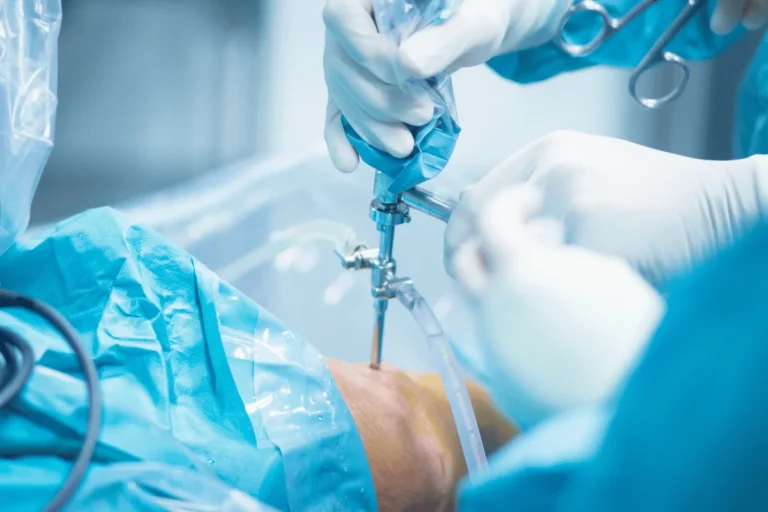
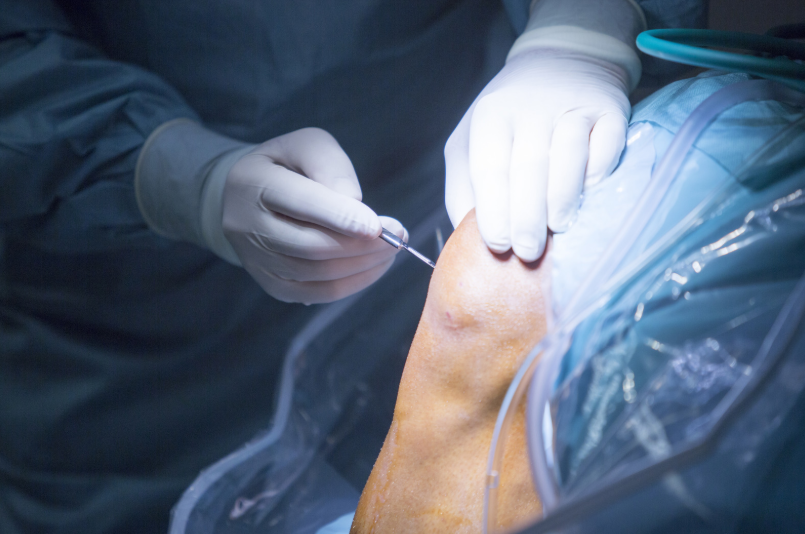
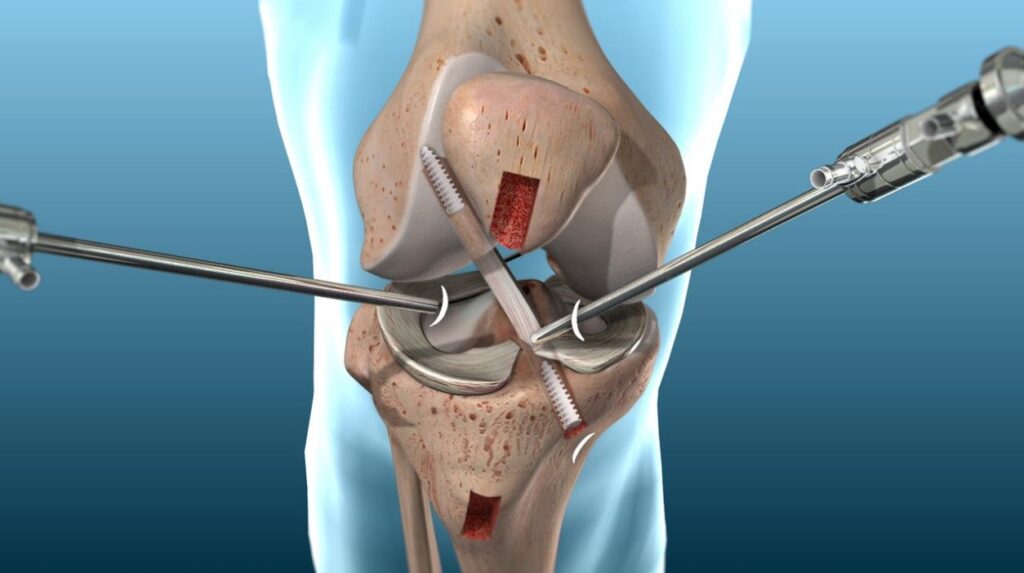
Severe Lateral Collateral Ligament injuries, especially complete tears or combined ligament damage, may require surgical reconstruction. Lateral Collateral Ligament reconstruction replaces or repairs the damaged ligament using a graft to restore stability.
During Lateral Collateral Ligament reconstruction, the surgeon carefully restores alignment and tension of the knee structures. This procedure is often recommended when knee instability affects daily function or when non-surgical treatment does not provide sufficient improvement.
Patients with combined injuries involving the posterolateral corner may need more complex surgical repair to fully restore knee stability.
Lateral Collateral Ligament Reconstruction in Bicol
Lateral Collateral Ligament reconstruction is available for patients in Bicol, including Naga City, Legazpi City, and Camarines Sur. Access to specialized orthopedic care allows patients with Lateral Collateral Ligament injuries to receive proper evaluation and treatment close to home.
Surgical planning focuses on restoring knee stability, reducing pain, and improving long-term joint function. Each Lateral Collateral Ligament reconstruction procedure is tailored based on injury severity and patient activity level.
Recovery after surgery includes structured rehabilitation to gradually restore movement and strength. Patients are guided through each stage of healing to support safe return to daily activities and physical work.
Recovery and Rehabilitation After Lateral Collateral Ligament Reconstruction
Recovery after Lateral Collateral Ligament reconstruction occurs in phases. Early recovery focuses on protecting the knee and controlling swelling. Limited movement is recommended during this stage to allow healing of the reconstructed ligament.
As healing progresses, controlled exercises are introduced to improve knee flexibility and strengthen surrounding muscles. Physical therapy is essential to restore balance and stability after Lateral Collateral Ligament reconstruction.
Later stages of rehabilitation focus on functional training, including walking, climbing stairs, and eventually returning to sports or physically demanding work. Recovery time varies depending on injury severity and individual progress.
Why Choose Lao Orthopedic Services for Lateral Collateral Ligament Care
Lao Orthopedic Clinic provides specialized treatment for Lateral Collateral Ligament injuries and other knee conditions. Care includes advanced diagnostic evaluation, surgical expertise, and structured rehabilitation planning.
Dr. Lawrence Lao has 16 years of experience in orthopedic care. His training includes orthopedic traumatology, hip and knee reconstruction, and sports surgery and arthroscopy from international institutions in Taiwan and Thailand.
Lao Orthopedic Clinic serves patients across Bicol, including Naga City, Legazpi City, and Camarines Sur. The clinic focuses on knee stability restoration, sports injury care, and long-term joint health for patients with Lateral Collateral Ligament injuries.
When to See a Specialist for Lateral Collateral Ligament Injury
Medical evaluation is recommended when outer knee pain persists after an injury. Knee instability, swelling that does not improve, and difficulty walking are important warning signs of a possible Lateral Collateral Ligament injury.
Early consultation helps prevent worsening damage and supports better recovery outcomes. Patients who experience difficulty returning to work, sports, or daily movement after knee trauma should seek orthopedic evaluation.
Frequently Asked Questions (FAQ)
What is a Lateral Collateral Ligament injury?
A Lateral Collateral Ligament injury refers to damage or tearing of the ligament on the outer side of the knee that helps maintain stability.
What causes Lateral Collateral Ligament injuries?
Common causes include sports injuries, road accidents, falls, and sudden twisting or impact to the knee.
How is a Lateral Collateral Ligament injury diagnosed?
Diagnosis involves physical examination, stability tests, and imaging such as MRI to assess ligament damage.
Can a Lateral Collateral Ligament injury heal without surgery?
Mild injuries may heal with rest, bracing, and physical therapy. Severe tears often require surgery.
What is Lateral Collateral Ligament reconstruction?
It is a surgical procedure that repairs or replaces a torn Lateral Collateral Ligament to restore knee stability.
How long is recovery after Lateral Collateral Ligament reconstruction?
Recovery varies but usually involves several months of rehabilitation to restore strength and mobility.
When should I see a doctor for a Lateral Collateral Ligament injury?
You should seek medical care if there is persistent outer knee pain, instability, swelling, or difficulty walking after an injury.