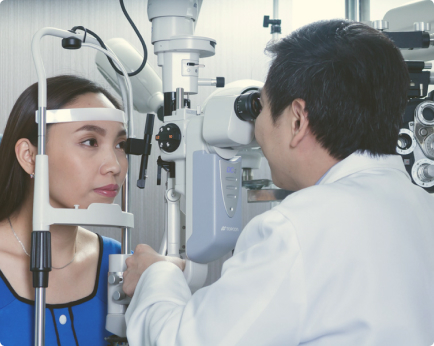
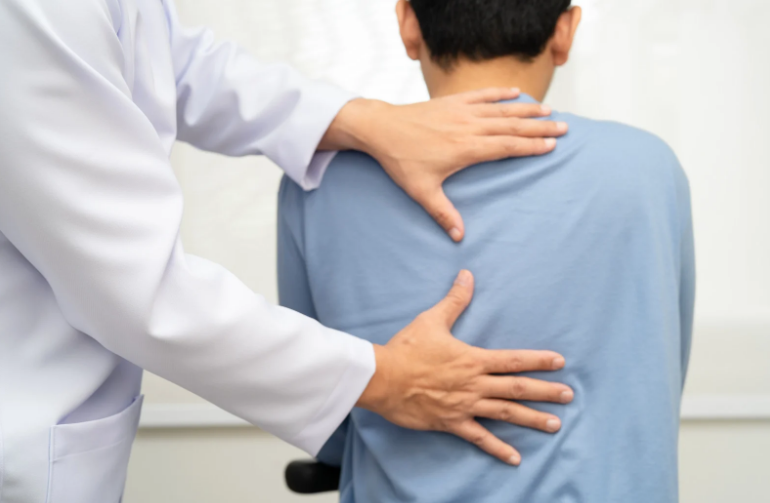
Bone and joint problems can affect almost every part of daily life. Simple activities such as walking, climbing stairs, lifting objects, exercising, or even getting out of bed can become difficult when pain or limited movement develops. Some problems may improve with rest and basic care, but persistent symptoms can indicate an underlying condition that requires professional evaluation.
An orthopedic doctor Bicol patients can consult specializes in conditions involving the bones, joints, muscles, ligaments, tendons, cartilage, and other parts of the musculoskeletal system. These specialists can assess injuries and chronic conditions and recommend an appropriate treatment plan based on the patient’s symptoms, diagnosis, lifestyle, and recovery goals.
Lao Orthopedic Clinic provides orthopedic care for patients dealing with various musculoskeletal concerns, including orthopedic trauma, sports injuries, hip and knee conditions, joint reconstruction, and arthroscopic procedures. Knowing which symptoms and conditions may require specialist care can help patients make informed decisions about when to seek an orthopedic consultation.
What Does an Orthopedic Doctor Treat?
An orthopedic doctor focuses on diagnosing and treating problems affecting the body’s musculoskeletal system. This includes the structures responsible for supporting the body, allowing movement, and protecting important organs.
Patients may consult an orthopedic doctor Bicol for concerns involving:
- Bones and fractures
- Knees and hips
- Shoulders and elbows
- Ligaments
- Tendons
- Muscles
- Cartilage
- Sports injuries
- Joint degeneration
- Orthopedic trauma
- Movement and mobility problems
Orthopedic care is not limited to surgery. Depending on the condition, treatment may include conservative management, rehabilitation, medication when appropriate, activity modification, injections, minimally invasive procedures, or surgery.
A specialist evaluation can help determine the actual source of pain and identify the most suitable treatment approach.
Common Conditions That May Require an Orthopedic Specialist
Many orthopedic conditions can develop gradually, while others occur suddenly because of an accident or sports injury. Some problems cause mild discomfort at first but may eventually interfere with movement and quality of life.
Here are several conditions for which consulting an orthopedic doctor Bicol may be appropriate.
Arthritis and Joint Degeneration
Arthritis is one of the common causes of persistent joint pain and stiffness. Osteoarthritis, for example, can develop as the cartilage protecting the ends of bones gradually wears down.
The knees and hips are particularly vulnerable because they carry much of the body’s weight. Patients may experience pain while walking, climbing stairs, standing, or performing other everyday activities.
Common symptoms include:
- Joint pain
- Stiffness
- Swelling
- Reduced range of motion
- Difficulty performing normal activities
- Pain that becomes worse with activity
Early evaluation can help determine how advanced the condition is and what treatment options may be appropriate. Depending on the patient’s situation, an orthopedic doctor may recommend conservative treatment or discuss surgical options when significant joint damage affects mobility and quality of life.
Knee Injuries and Ligament Problems
The knee contains several ligaments that help stabilize the joint. Sports, falls, sudden changes in direction, twisting movements, and accidents can cause ligament injuries.
The anterior cruciate ligament, commonly known as the ACL, is particularly vulnerable during activities involving jumping, pivoting, or sudden stops. Other ligaments, including the lateral collateral ligament or LCL, can also become injured.
Symptoms of a significant knee ligament injury may include:
- Sudden knee pain
- Swelling
- Difficulty bearing weight
- Reduced range of motion
- A feeling that the knee is unstable
- Difficulty participating in sports or physical activities
An orthopedic doctor Bicol patients can consult can assess the severity of a knee injury and determine whether non-surgical management, rehabilitation, or a procedure such as ligament reconstruction may be appropriate.
Shoulder Injuries and Rotator Cuff Problems
Shoulder pain can make everyday activities surprisingly difficult. Reaching overhead, carrying objects, dressing, or performing work-related movements may become uncomfortable.
The rotator cuff consists of muscles and tendons that help stabilize and move the shoulder. Repetitive use, trauma, sports activities, and age-related changes can contribute to rotator cuff problems.
Patients may notice:
- Shoulder pain
- Weakness
- Difficulty lifting the arm
- Pain when reaching overhead
- Reduced shoulder movement
- Discomfort during certain activities
Some shoulder problems can be managed conservatively, while significant injuries may require surgical treatment. A specialist assessment can help determine the underlying cause and appropriate treatment.
Sports Injuries
Athletes and physically active individuals place considerable demands on their muscles and joints. Although proper training and safety measures can reduce injury risks, accidents and overuse can still occur.
Sports injuries may involve:
- Ligament tears
- Tendon injuries
- Muscle injuries
- Cartilage damage
- Joint injuries
- Dislocations
- Fractures
An orthopedic doctor Bicol patients can visit for sports-related injuries can evaluate the affected area and determine the extent of the damage. Sports surgery and arthroscopy may be considered for certain injuries when appropriate.
Proper diagnosis is especially important for athletes who want to return to their activities safely. Returning to sports too quickly without appropriate assessment and rehabilitation may increase the risk of reinjury.
Bone Fractures and Orthopedic Trauma
Fractures can happen because of falls, road accidents, sports injuries, workplace incidents, and other forms of trauma. Some fractures are relatively straightforward, while others can involve significant displacement, instability, or damage to surrounding tissues.
An orthopedic evaluation may be particularly important when there is:
- Severe pain
- Significant swelling
- Visible deformity
- Difficulty using the injured limb
- Inability to bear weight
- Suspected complicated fracture
Orthopedic trauma care focuses on restoring proper alignment and stability while supporting the healing process. Depending on the fracture, treatment may involve immobilization or surgical stabilization.
One surgical approach is Open Reduction and Internal Fixation, or ORIF. This procedure may be used for selected fractures where surgical realignment and internal stabilization are necessary.
Tendon and Soft-Tissue Injuries
Tendons connect muscles to bones and play an important role in movement. Significant tendon injuries can affect strength and function.
Tendon problems may develop from sudden trauma, repetitive activity, or degeneration. Symptoms can include pain, weakness, swelling, and difficulty moving the affected body part.
A specialist can assess whether the tendon injury can be treated conservatively or whether repair may be necessary.
Patients who experience persistent weakness or loss of function following an injury should consider consulting an orthopedic doctor Bicol rather than continuing activities that could worsen the condition.
Knee Alignment Problems and Osteoarthritis
Not every knee problem is caused solely by cartilage wear. The alignment of the leg can also influence how forces are distributed across the knee joint.
Abnormal alignment can place greater stress on certain areas of the knee, potentially contributing to pain and progressive joint damage.
For selected patients, an orthopedic procedure such as tibial osteotomy may be considered. The goal of this type of procedure is to alter the alignment of the leg to improve how weight is distributed through the knee.
Whether this treatment is appropriate depends on several factors, including the patient’s age, activity level, joint condition, alignment, symptoms, and overall health.
Advanced Knee Problems and Joint Replacement
Severe joint degeneration can eventually make routine activities difficult. Patients with advanced knee arthritis may experience persistent pain, stiffness, reduced mobility, and difficulty performing activities they previously enjoyed.
When other treatment options are no longer providing sufficient relief, joint replacement may be considered for appropriate patients.
Knee replacement involves replacing damaged portions of the knee joint with artificial components. The decision to undergo surgery requires a comprehensive assessment by an orthopedic specialist.
Patients who have previously undergone knee replacement but later experience complications or other problems may also require evaluation for revision knee replacement.
An orthopedic doctor Bicol can assess the patient’s symptoms and determine whether further investigation or surgical treatment should be considered.
Signs You May Need to See an Orthopedic Doctor in Bicol
Not every episode of muscle or joint discomfort requires specialist treatment. However, persistent or worsening symptoms should not be ignored.
Consider seeking an orthopedic evaluation if you experience:
- Persistent bone or joint pain
- Pain that interferes with sleep
- Difficulty walking
- Difficulty bearing weight
- Repeated joint swelling
- Limited movement
- Joint instability
- A feeling that a joint is giving way
- Persistent pain following an injury
- Significant weakness
- Loss of normal function
- Visible deformity after trauma
- Symptoms that continue despite rest or basic care
An orthopedic doctor Bicol patients can consult can evaluate these symptoms and determine whether they are related to an injury, degeneration, structural problem, or another musculoskeletal condition.
When Should You See an Orthopedic Doctor After an Injury?
Some minor injuries improve gradually with appropriate rest and basic care. However, certain symptoms can indicate a more significant injury.
Minor Injuries vs. Injuries Requiring Specialist Care
A mild strain or bruise may improve with time, but persistent pain or limited function may require further evaluation.
A specialist assessment can be particularly useful when an injury causes:
- Persistent pain
- Significant swelling
- Reduced movement
- Joint instability
- Difficulty walking
- Difficulty using the affected arm or leg
- Recurring symptoms when activity resumes
A patient does not need to wait until pain becomes severe before seeking professional advice. Early evaluation can help identify the problem and guide appropriate management.
Emergency Orthopedic Symptoms
Some injuries require immediate medical attention. Serious trauma accompanied by an obvious deformity, severe pain, inability to use a limb, or other alarming symptoms should be assessed promptly at an appropriate emergency facility.
Once an urgent situation has been addressed, orthopedic follow-up may be necessary to manage the injury and support recovery.
How an Orthopedic Doctor Diagnoses Bone and Joint Conditions
Getting the correct diagnosis is an important part of orthopedic care. Similar symptoms can have different causes, so treatment should be based on an appropriate assessment.
Medical History and Physical Examination
An orthopedic consultation generally begins with a discussion of symptoms, medical history, previous injuries, activities, and functional limitations.
The doctor may examine the affected joint or body part, assess movement, evaluate strength, and look for signs of instability or tenderness.
Imaging and Diagnostic Tests
Depending on the suspected condition, imaging may help provide additional information about the bones and joints.
Diagnostic evaluation can help identify problems such as fractures, joint degeneration, alignment issues, or certain soft-tissue injuries.
The appropriate examination or imaging method depends on the patient’s symptoms and clinical findings.
Developing an Individualized Treatment Plan
There is no single treatment that works for every orthopedic condition. The appropriate approach depends on factors such as the diagnosis, severity, age, activity level, general health, and treatment goals.
An orthopedic doctor Bicol can use the findings from the consultation and diagnostic evaluation to recommend an appropriate treatment plan.
Orthopedic Treatment Options Available in Bicol
Orthopedic treatment can range from conservative care to advanced surgical procedures.
Non-Surgical Treatment
Many musculoskeletal conditions can initially be managed without surgery. Depending on the diagnosis, treatment may include:
- Rest and activity modification
- Rehabilitation
- Physical therapy
- Medication when medically appropriate
- Supportive devices
- Exercises recommended by healthcare professionals
- Other conservative approaches
The appropriate treatment depends on the specific condition and the patient’s circumstances.
Minimally Invasive and Arthroscopic Procedures
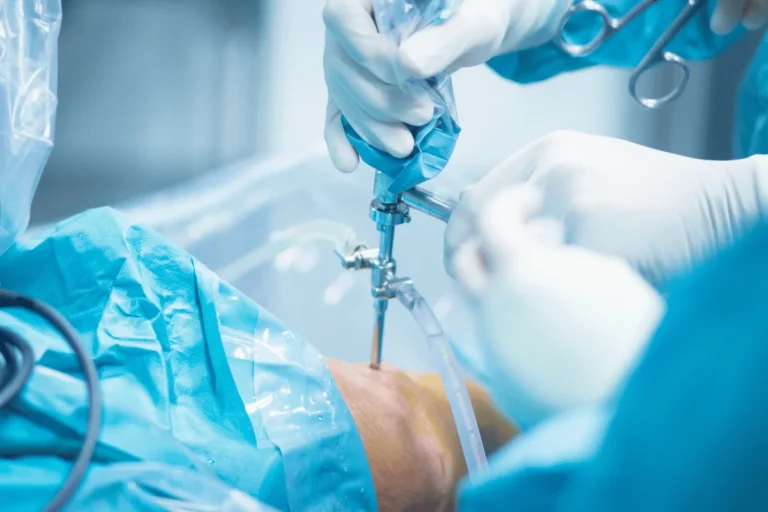
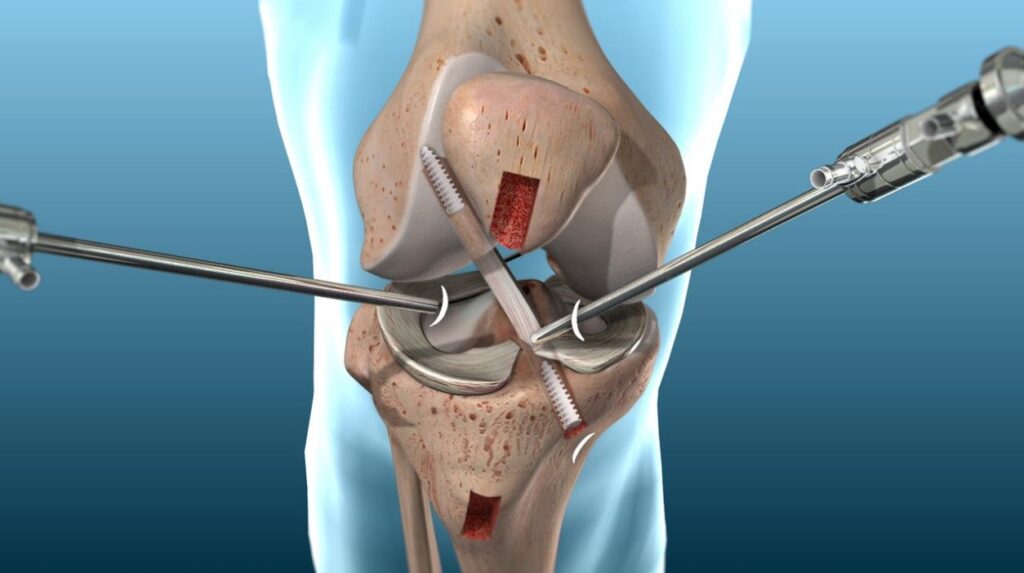
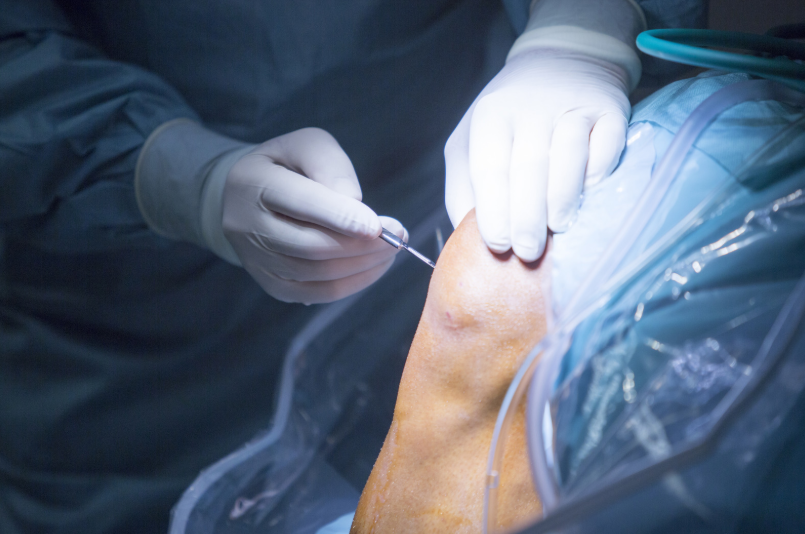
Arthroscopy is a minimally invasive surgical technique that allows a specialist to examine and treat certain joint problems using small incisions and specialized instruments.
It can be used in selected sports and joint conditions. Procedures may involve structures such as ligaments, cartilage, and other tissues within a joint.
An orthopedic specialist can determine whether arthroscopy is appropriate based on the patient’s diagnosis.
Orthopedic Surgery
Surgery may be recommended for selected conditions when conservative treatment is not sufficient or when the injury requires surgical correction.
Depending on the condition, orthopedic procedures can include:
- ACL reconstruction
- LCL reconstruction
- Rotator cuff repair
- Tendon repair
- Open Reduction and Internal Fixation
- Tibial osteotomy
- Knee replacement
- Revision knee replacement
The decision to undergo surgery should follow a proper medical evaluation and discussion of the potential benefits, risks, recovery process, and alternatives.
Why Choose a Specialist Orthopedic Doctor in Bicol?
Having access to orthopedic care within the Bicol region can make it more convenient for patients to seek assessment for musculoskeletal problems.
A specialist can provide focused evaluation for conditions affecting bones, joints, ligaments, tendons, and other structures involved in movement.
Patients may benefit from specialist orthopedic care when they need evaluation for:
- Chronic joint pain
- Sports injuries
- Ligament injuries
- Fractures
- Orthopedic trauma
- Knee problems
- Hip conditions
- Shoulder injuries
- Joint degeneration
- Reconstructive procedures
Lao Orthopedic Clinic provides orthopedic services addressing areas such as hip and knee advanced reconstruction, sports surgery and arthroscopy, and orthopedic traumatology. These areas of care can be relevant to patients with injuries or progressive joint problems requiring specialist assessment.
Why Patients in Bicol Should Not Ignore Persistent Joint or Bone Pain
Pain is often treated as something that should simply be tolerated, particularly when symptoms begin gradually. However, ongoing pain can affect more than physical comfort.
Persistent orthopedic symptoms may interfere with work, exercise, household activities, sleep, and overall mobility.
For example, a person with ongoing knee pain may gradually reduce physical activity because walking becomes uncomfortable. Someone with a shoulder problem may avoid lifting or reaching. A patient recovering from an injury may find it difficult to return to normal activities.
Rather than repeatedly working around the pain, seeking an evaluation from an orthopedic doctor Bicol patients can access may help identify what is causing the symptoms.
A professional diagnosis can provide a clearer understanding of the condition and available treatment options.
Choosing the Right Orthopedic Clinic in Bicol
Choosing an orthopedic clinic involves more than simply looking for the closest provider. Patients should consider whether the specialist’s area of practice matches their specific concern.
When looking for an orthopedic doctor Bicol, consider the following:
- Does the doctor treat the condition you are experiencing?
- Does the clinic provide appropriate orthopedic assessment?
- Does the specialist have experience with your type of injury or condition?
- Are both conservative and surgical treatment options considered when appropriate?
- Does the clinic handle orthopedic trauma?
- Does the specialist provide care for sports injuries?
- Does the practice offer joint reconstruction or arthroscopic procedures when indicated?
- Is follow-up care available?
Patients should also prepare relevant medical records and previous imaging results when attending a consultation. These documents can help the orthopedic specialist understand the patient’s medical history and previous treatment.
Get Orthopedic Care for Bone and Joint Concerns in Bicol
Bone, joint, ligament, and tendon conditions can range from temporary injuries to complex problems requiring specialized treatment. Knowing when to seek professional assessment can make it easier to understand the cause of symptoms and explore appropriate treatment options.
An orthopedic doctor Bicol can evaluate persistent pain, sports injuries, fractures, joint problems, ligament injuries, and other musculoskeletal concerns. Treatment may range from conservative management and rehabilitation to arthroscopic procedures or orthopedic surgery, depending on the diagnosis.
Lao Orthopedic Clinic offers specialized orthopedic services for patients who need evaluation and treatment for various bone and joint conditions. Patients experiencing persistent symptoms or difficulty with mobility can consult an orthopedic specialist to better understand their condition and possible treatment options.
Frequently Asked Questions About an Orthopedic Doctor in Bicol
What does an orthopedic doctor in Bicol treat?
An orthopedic doctor treats conditions involving the musculoskeletal system, including bones, joints, muscles, ligaments, tendons, cartilage, fractures, sports injuries, arthritis, and orthopedic trauma.
When should I see an orthopedic doctor for joint pain?
You may consider an orthopedic consultation when joint pain persists, becomes worse, affects sleep or daily activities, causes limited movement, or makes it difficult to walk or use the affected limb.
Do all orthopedic conditions require surgery?
No. Many orthopedic conditions can initially be managed through conservative approaches such as activity modification, rehabilitation, medication when appropriate, and other non-surgical treatments. Surgery may be considered when it is medically appropriate.
Can an orthopedic doctor treat sports injuries?
Yes. Orthopedic specialists can evaluate many types of sports injuries, including ligament, tendon, cartilage, and joint problems. Certain injuries may require sports surgery or arthroscopic treatment.
When is surgery necessary after a fracture?
The need for surgery depends on the type, location, severity, alignment, and stability of the fracture. Some fractures can be treated without surgery, while others may require procedures such as ORIF.
What is arthroscopic surgery?
Arthroscopic surgery is a minimally invasive technique that uses specialized instruments and a small camera to examine and treat certain joint conditions. It may be used for selected sports and orthopedic injuries.
What should I bring to an orthopedic consultation?
Patients may bring previous medical records, imaging results, medication information, and details about when their symptoms began or how an injury occurred. Providing a clear history can help the specialist evaluate the problem.
Where can I consult an orthopedic doctor in Bicol?
Lao Orthopedic Clinic provides orthopedic care for patients in the Bicol region. Patients can visit the clinic’s official website to learn more about its orthopedic services, locations, and consultation options.
Why is seeing an orthopedic specialist important?
An orthopedic specialist has specific training in diagnosing and managing conditions affecting the musculoskeletal system. A proper assessment can help identify the cause of pain or dysfunction and determine appropriate treatment options.
Can persistent pain be a sign of a serious orthopedic problem?
Persistent pain does not necessarily mean that a condition is serious, but it can indicate that further evaluation is needed. Pain accompanied by swelling, weakness, instability, limited movement, or difficulty bearing weight should be assessed by an appropriate healthcare professional.