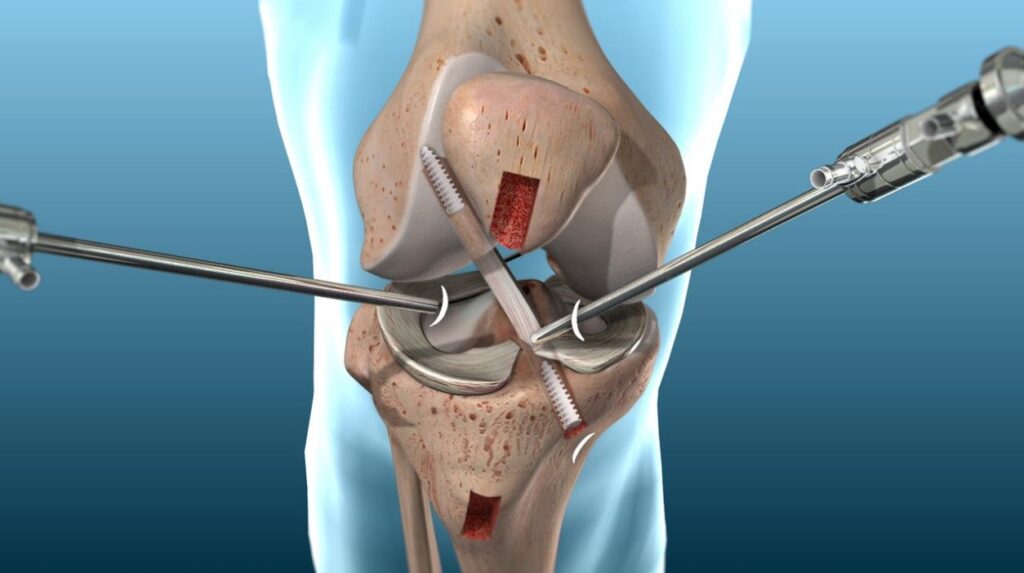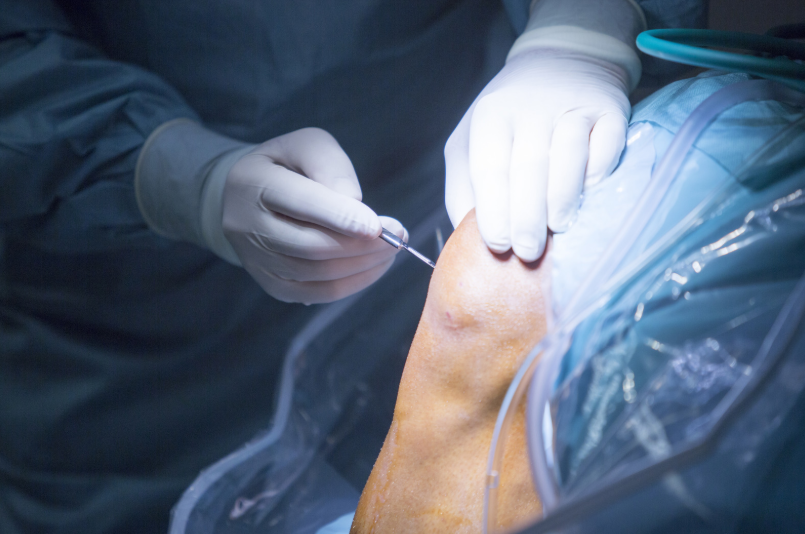

Joint pain can slowly change the way you live. Simple tasks such as walking, climbing stairs, getting out of bed, or enjoying time with family may become difficult when arthritis affects your joints. While medications, physical therapy, and lifestyle changes often help during the early stages, these treatments may no longer provide enough relief as arthritis progresses. When pain becomes severe and joint damage limits your daily activities, Arthritis Surgery may be recommended.
Arthritis Surgery is performed to reduce pain, improve joint function, and help patients regain mobility. Every patient has different needs, which is why a careful evaluation by an experienced orthopedic surgeon is essential before deciding on surgery.
At Lao Orthopedic Clinic, patients from Bicol, Naga City, Legazpi City, Camarines Sur, and nearby provinces receive comprehensive orthopedic care for arthritis and other joint conditions. Dr. Lawrence Lao combines years of orthopedic experience with advanced fellowship training to provide treatment plans based on each patient’s condition, lifestyle, and recovery goals.
What Is Arthritis?
Arthritis is a condition that causes inflammation and damage within a joint. Healthy joints contain smooth cartilage that allows bones to move without friction. As arthritis progresses, this cartilage gradually wears away or becomes damaged, causing bones to rub against each other. This leads to pain, stiffness, swelling, and reduced movement.
Several types of arthritis can affect the body’s joints. Some develop naturally with age, while others result from autoimmune diseases or previous injuries. Regardless of the cause, advanced arthritis can interfere with daily activities and reduce a person’s independence.
Many patients initially manage arthritis with non-surgical treatments. However, when symptoms continue despite these measures, Arthritis Surgery may become the most effective option for restoring comfort and function.
Common Types of Arthritis That May Require Arthritis Surgery
Not every form of arthritis requires surgery. Treatment depends on the severity of joint damage, the patient’s symptoms, and how much the condition affects daily life.
Osteoarthritis
Osteoarthritis is the most common type of arthritis. It develops as the protective cartilage covering the ends of bones gradually wears away over time. Age, excess body weight, previous injuries, and repetitive joint stress may increase the risk of developing osteoarthritis.
Patients with advanced osteoarthritis often experience persistent pain, stiffness after periods of rest, and difficulty walking. When conservative treatments are no longer effective, Arthritis Surgery such as total knee replacement or total hip replacement may provide significant pain relief.
Rheumatoid Arthritis
Rheumatoid arthritis is an autoimmune disease that causes the body’s immune system to attack the lining of healthy joints. This ongoing inflammation may lead to cartilage damage, bone erosion, and joint deformity.
Although medications can slow disease progression, some patients eventually develop severe joint destruction. Arthritis Surgery may help restore movement and reduce pain when joint damage becomes extensive.
Post-Traumatic Arthritis
Post-traumatic arthritis develops after an injury such as a fracture, ligament tear, or major joint trauma. Damage from the original injury may accelerate cartilage wear, causing arthritis years later.
Patients who continue to experience pain and stiffness long after an injury may benefit from an orthopedic evaluation to determine whether Arthritis Surgery is appropriate.
Degenerative Joint Disease
Degenerative joint disease is another term commonly used to describe the gradual breakdown of cartilage within a joint. This condition frequently affects the hips and knees but may also involve the shoulders and other joints.
As the disease advances, walking, standing, and everyday movement become increasingly painful. Surgical treatment may be recommended when symptoms significantly reduce quality of life.
Signs You May Need Arthritis Surgery
Every patient experiences arthritis differently. Some people continue daily activities with manageable discomfort, while others develop severe pain that limits even simple movements.
Several signs may suggest it is time to discuss Arthritis Surgery with an orthopedic surgeon.
Persistent Joint Pain
Pain that continues despite medications, physical therapy, injections, or activity modification may indicate advanced joint damage. If pain regularly interferes with work, sleep, or normal activities, surgery may be considered.
Difficulty Walking
Many patients notice that walking shorter distances becomes increasingly difficult. Limping, needing a cane, or avoiding stairs are common signs that arthritis has progressed.
Joint Stiffness
Morning stiffness or stiffness after sitting for long periods may become more severe as arthritis advances. Limited flexibility often makes bending, standing, or changing positions more challenging.
Swelling That Does Not Improve
Chronic swelling may indicate ongoing joint inflammation. When swelling remains despite treatment, additional evaluation may be necessary.
Reduced Range of Motion
Patients often notice they cannot fully bend or straighten the affected joint. Limited movement can affect driving, working, exercising, and household tasks.
Joint Deformity
Advanced arthritis may gradually change the shape or alignment of a joint. Bowing of the knees or changes in hip alignment may occur as cartilage continues to deteriorate.
Difficulty Completing Daily Activities
Getting dressed, preparing meals, shopping, or enjoying hobbies should not be limited by joint pain. When arthritis prevents you from maintaining your normal routine, Arthritis Surgery may help restore independence.
When Non-Surgical Treatment Is No Longer Enough
Most orthopedic specialists recommend non-surgical treatment before considering Arthritis Surgery. Many patients experience meaningful relief through conservative care, especially during the early stages of arthritis.
Common treatment options include anti-inflammatory medications, physical therapy, weight management, activity modification, supportive braces, walking aids, and corticosteroid or hyaluronic acid injections.
These approaches may reduce symptoms for months or even years. However, arthritis continues to progress in some patients despite careful treatment.
Arthritis Surgery becomes an appropriate option when joint damage is severe, pain remains persistent, and daily function continues to decline. The decision to proceed with surgery depends on a thorough orthopedic evaluation, imaging studies, overall health, and the patient’s personal goals.
Rather than simply treating symptoms, Arthritis Surgery addresses the damaged joint itself, allowing many patients to return to activities that had become difficult because of chronic pain.