Watching your child grow comes with many exciting milestones, from taking those first steps to joining school sports and enjoying outdoor activities. Along with those moments, parents may also face concerns about falls, fractures, joint pain, or injuries that seem slow to heal. While many bumps and bruises improve with rest, some problems require evaluation by a specialist who understands the unique needs of growing bones and joints.
Searching for pediatric orthopedic Naga services is often the first step parents take when they notice persistent pain, limping, swelling, or difficulty moving. Children’s bones, muscles, ligaments, and joints differ from those of adults because they continue to grow and develop. Proper diagnosis and timely treatment help support healthy growth while reducing the risk of future complications.
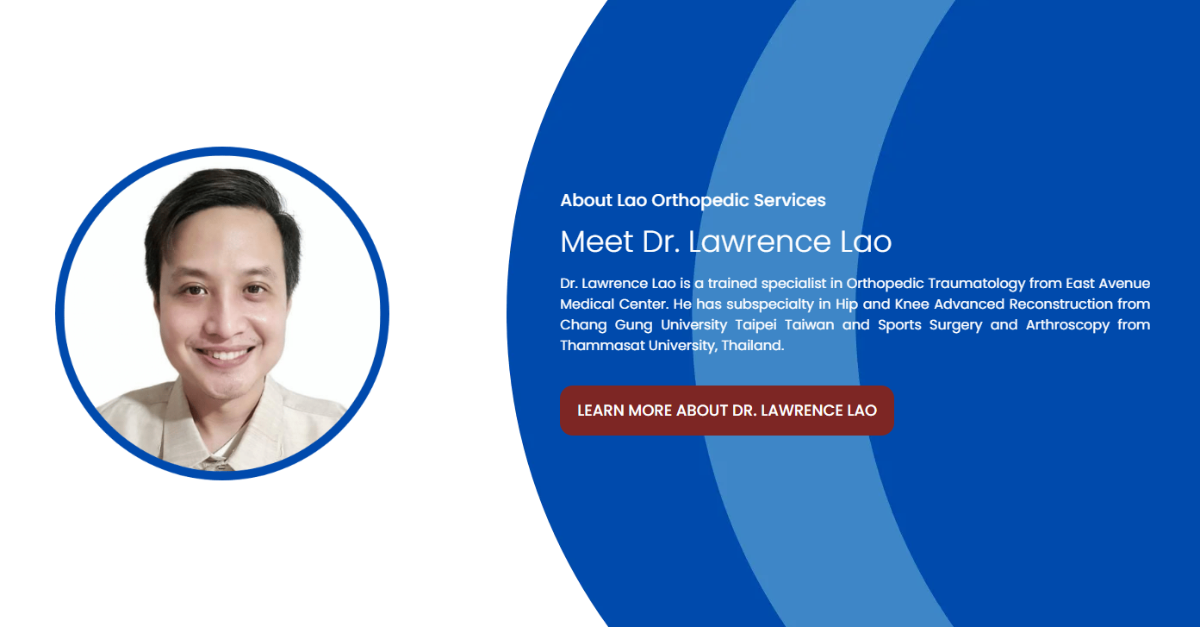
At LAO Orthopedic Services, Dr. Lawrence Lao provides orthopedic care for patients across Naga City, Camarines Sur, Legazpi, and neighboring communities. With extensive training in orthopedic traumatology, hip and knee reconstruction, sports surgery, and arthroscopy, he offers personalized treatment plans designed to restore movement and improve quality of life.
What Is Pediatric Orthopedics?
Pediatric orthopedics focuses on diagnosing and treating bone, joint, muscle, ligament, and tendon conditions affecting infants, children, and teenagers. Because children continue to grow, their orthopedic needs differ from those of adults.
Choosing pediatric orthopedic Naga care means working with a physician who understands how injuries and orthopedic conditions may affect a child’s growth and development. Early evaluation often helps identify concerns before they become more serious.
How Children’s Bones and Joints Differ From Adults’
Children have growth plates, which are areas of developing tissue located near the ends of long bones. These growth plates help bones lengthen during childhood and adolescence. Since they are softer than mature bone, they may become injured more easily during falls or sports activities.
Children also tend to heal more quickly than adults. Even so, certain injuries require careful treatment to help bones heal properly without affecting future growth. A condition that appears minor may still benefit from evaluation by a pediatric orthopedic specialist.
Conditions Commonly Seen by Pediatric Orthopedic Specialists
Families seeking pediatric orthopedic Naga care commonly visit for concerns such as:
- Bone fractures
- Knee injuries
- Hip pain
- Shoulder injuries
- Sports-related trauma
- Ligament injuries
- Growth plate injuries
- Muscle and tendon problems
- Joint pain after physical activity
Each child receives an individualized assessment because no two injuries or conditions are exactly alike.
Signs Your Child Should Visit a Pediatric Orthopedic Specialist
Children often remain active despite discomfort, making it difficult for parents to recognize when something may be wrong. Paying attention to warning signs helps determine whether medical evaluation is needed.
Persistent Joint or Bone Pain
Occasional soreness after exercise may be expected. Pain that lasts several days, returns repeatedly, or interferes with normal activities deserves medical attention.
Children should also be evaluated if pain wakes them during the night or limits participation at school or sports.
Many parents searching for pediatric orthopedic Naga services begin their search after noticing ongoing discomfort that does not improve with home care.
Limping or Difficulty Walking
A child who suddenly develops a limp should never be ignored.
Possible causes include:
- Minor injuries
- Muscle strains
- Fractures
- Ligament injuries
- Hip conditions
- Knee problems
Even when the child reports little pain, limping may indicate an underlying injury that requires evaluation.
Swollen or Painful Joints
Joint swelling may occur after:
- Falls
- Sports injuries
- Twisting injuries
- Direct impact
Persistent swelling involving the knee, ankle, shoulder, elbow, or wrist should be examined to identify the cause and determine the proper treatment plan.
Sports Injuries
Participation in basketball, volleyball, football, martial arts, running, gymnastics, and other activities increases the chance of sports injuries.
Common problems include:
- ACL injuries
- Meniscus injuries
- Shoulder instability
- Ankle sprains
- Knee ligament injuries
- Muscle strains
Dr. Lawrence Lao has advanced fellowship training in Sports Surgery and Arthroscopy, allowing patients to receive modern evaluation and treatment for sports-related orthopedic conditions.
Families searching for pediatric orthopedic Naga often seek guidance after children experience injuries during school sports or recreational activities.
Broken Bones
Children frequently experience fractures from:
- Playground accidents
- Bicycle falls
- Slips
- Sports injuries
- Road accidents
Although children’s bones generally heal well, proper alignment remains essential to support normal growth.
Limited Movement
Difficulty bending the knee, lifting the shoulder, rotating the hip, or fully extending an elbow should be evaluated, particularly when symptoms continue after swelling decreases.
Restricted movement may indicate ligament injury, fracture, tendon damage, or joint instability.
Pediatric Orthopedic Conditions That May Need Medical Care
Many orthopedic conditions improve with conservative treatment, while others may require surgery depending on the severity of the injury.
Fractures
Broken bones remain one of the most common reasons families seek pediatric orthopedic Naga care.
Several types include:
- Simple fractures
- Displaced fractures
- Growth plate fractures
- Stress fractures
Treatment depends on the location and severity of the injury. Some fractures heal with casting or splinting, while others require surgery to restore proper alignment.
Knee Injuries
The knee plays an important role during walking, running, and sports participation.
Children may develop:
- ACL tears
- Meniscus injuries
- Patellar instability
- Ligament sprains
- Cartilage injuries
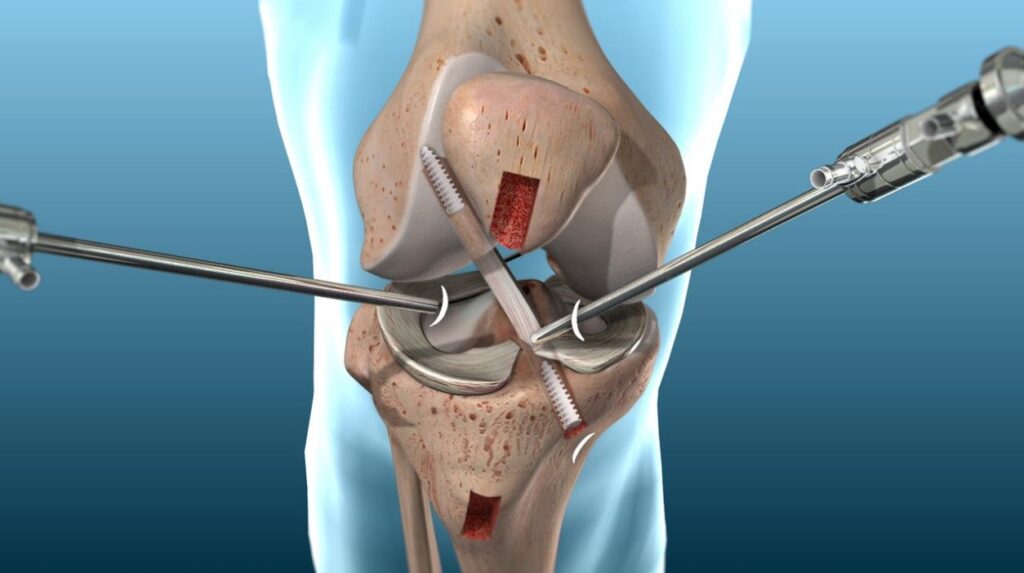
Serious ligament injuries sometimes require ACL reconstruction to restore knee stability and allow a safe return to physical activity after rehabilitation.
Hip Conditions
Hip pain should never be dismissed as “growing pains” without proper evaluation.
Children may experience:
- Hip injuries
- Hip inflammation
- Joint problems
- Developmental conditions
Prompt assessment helps identify the underlying cause and guides appropriate treatment.
Shoulder Injuries
Shoulder injuries frequently occur after falls or contact sports.
Possible conditions include:
- Shoulder dislocation
- Rotator cuff injuries
- Ligament sprains
- Shoulder instability
Early treatment helps restore comfortable movement while reducing the chance of repeated injury.
Growth Plate Injuries
Growth plate injuries require careful evaluation because they involve the developing portion of the bone.
Although many children recover completely, delayed treatment may increase the chance of growth disturbances.
Parents looking for pediatric orthopedic Naga specialists should seek evaluation whenever a child experiences significant pain following an injury near the end of a long bone.
What Happens During a Pediatric Orthopedic Consultation?
Visiting an orthopedic surgeon may feel overwhelming for children and parents. Knowing what to expect often makes the appointment more comfortable.
Medical History
The consultation begins with questions regarding:
- Current symptoms
- Previous injuries
- Medical history
- Sports participation
- Daily activities
Parents should also mention when symptoms first appeared and whether pain improves or worsens with movement.
Physical Examination
A thorough physical examination may include assessment of:
- Walking pattern
- Joint movement
- Muscle strength
- Balance
- Joint stability
- Areas of tenderness
These findings help determine whether additional testing is needed.
Imaging Tests
Depending on the child’s condition, imaging studies may include:
- X-rays
- MRI
- Ultrasound
- CT scan, when appropriate
These tests provide valuable information about bones, ligaments, cartilage, and surrounding soft tissues.
Personalized Treatment Plan
Every child receives a treatment plan based on age, activity level, diagnosis, and overall health.
Treatment may include:
- Rest
- Activity modification
- Physical therapy
- Bracing
- Casting
- Medication for pain relief
- Surgery when necessary
The primary goal remains restoring movement while supporting healthy bone development.
When Is Surgery Needed?
Parents often worry that an orthopedic consultation automatically leads to surgery. Fortunately, many children recover without an operation.
Surgery may be recommended for conditions such as:
- Complex fractures
- Torn ligaments
- Joint instability
- Certain cartilage injuries
- Severe sports injuries
Dr. Lawrence Lao completed advanced fellowship training in Hip and Knee Reconstruction at Chang Gung University, Taiwan, along with Sports Surgery and Arthroscopy at Thammasat University, Thailand. This additional training supports careful evaluation of complex orthopedic conditions while helping determine the most appropriate treatment approach for each patient.
Families searching for pediatric orthopedic Naga services benefit from receiving recommendations based on the child’s specific diagnosis rather than a one-size-fits-all approach.
Helping Your Child Recover After Treatment
Recovery does not end after the initial treatment. Proper rehabilitation plays an important role as children regain strength and return to normal activities.
Pain Management
Children should follow the prescribed pain management plan and avoid activities that place unnecessary stress on the healing area.
Parents should also monitor for unusual swelling, increasing pain, or other symptoms that require medical attention.
Returning to School
Most children return to school once their physician determines it is safe.
Parents may need to coordinate temporary activity restrictions with teachers and school staff while healing continues.
Returning to Sports
Returning to sports too early may increase the chance of another injury.
The orthopedic surgeon will evaluate healing, strength, flexibility, and joint stability before clearing the child for athletic participation.
Rehabilitation and Follow-Up Visits
Physical therapy helps many children regain:
- Strength
- Flexibility
- Balance
- Coordination
- Joint movement
Regular follow-up appointments also allow the orthopedic surgeon to monitor progress and make adjustments to the treatment plan when needed.
Tips for Keeping Children’s Bones and Joints Healthy
Parents play an important role in supporting lifelong bone and joint health.
Helpful habits include:
- Encourage daily physical activity.
- Provide calcium-rich foods such as milk, yogurt, and leafy vegetables.
- Make sure children receive adequate vitamin D.
- Promote proper warm-up before sports.
- Encourage stretching after physical activity.
- Provide properly fitted protective equipment.
- Maintain a healthy body weight.
- Schedule medical evaluation whenever pain or limping continues.
These simple habits may reduce the chance of injury while supporting healthy growth.
Why Families Choose LAO Orthopedic Services
Families seeking pediatric orthopedic Naga care want experienced medical guidance paired with compassionate treatment.
Dr. Lawrence Lao brings more than 16 years of medical experience and completed specialized training in Orthopedic Traumatology at East Avenue Medical Center.
His advanced fellowship training includes Hip and Knee Reconstruction at Chang Gung University in Taiwan and Sports Surgery and Arthroscopy at Thammasat University in Thailand.
Patients receive careful evaluation, individualized treatment plans, and modern orthopedic care designed to address each person’s unique needs. Whether the concern involves fractures, sports injuries, knee pain, shoulder problems, or hip conditions, the goal remains helping patients regain comfortable movement and return to everyday activities safely.
Families across Naga City, Camarines Sur, Legazpi, and nearby areas continue to trust LAO Orthopedic Services for comprehensive orthopedic evaluation and treatment.
Takeaway
Children depend on healthy bones, muscles, and joints to learn, play, participate at school, and enjoy sports. While many minor injuries heal with rest, ongoing pain, limping, swelling, or limited movement should never be ignored. Seeking pediatric orthopedic Naga care allows families to receive an accurate diagnosis and a treatment plan tailored to their child’s needs.
At LAO Orthopedic Services, Dr. Lawrence Lao combines years of orthopedic experience with advanced fellowship training in joint reconstruction, sports surgery, and arthroscopy. Parents across Naga City, Camarines Sur, Legazpi, and nearby communities can feel confident knowing their children receive thoughtful orthopedic care focused on recovery, healthy development, and a safe return to everyday activities.
Frequently Asked Questions
Is pediatric orthopedic care different from adult orthopedic care?
Yes. Children’s bones continue to grow, making their orthopedic needs different from those of adults. Growth plates require special attention because injuries affecting these areas may influence bone development.
Does every broken bone require surgery?
No. Many fractures heal successfully with casting, splinting, or bracing. Surgery is generally reserved for more complex injuries or fractures that cannot heal properly without surgical correction.
Can children return to sports after an orthopedic injury?
Many children safely return to sports after completing treatment and rehabilitation. Clearance depends on healing, strength, flexibility, and overall joint stability.
What should parents do after a child falls during sports?
Stop the activity immediately if the child experiences severe pain, swelling, difficulty walking, or inability to move the injured area. Medical evaluation helps determine whether further treatment is needed.
When should I seek immediate orthopedic care?
Prompt medical attention is recommended when a child has severe pain, visible deformity, inability to bear weight, significant swelling, numbness, or persistent joint instability after an injury.
How do I know if my child needs a pediatric orthopedic specialist instead of waiting for symptoms to improve?
If pain, swelling, limping, or reduced movement continues for several days, returns repeatedly, or interferes with school, sports, or daily activities, scheduling an orthopedic evaluation is a wise next step. Early assessment often helps identify the cause and supports timely treatment.