Healthy eyesight affects nearly every part of daily life, from reading and working to driving, studying, using digital devices, and enjoying time with family. When vision becomes blurry or uncomfortable, many people begin searching for a reliable eye specialist who can identify the cause and recommend appropriate care. An Eye and Laser Clinic Quezon City can provide access to professional eye examinations, diagnostic services, medical treatment, and selected laser procedures. Depending on the facility, patients may find services for common vision problems as well as specialized care for cataracts, glaucoma, retinal disorders, corneal conditions, and other eye concerns. Some clinics also offer refractive surgery consultations for individuals interested in reducing their dependence on glasses or contact lenses. Understanding what these clinics provide can help patients prepare for an appointment and ask better questions about their eye health.
What Makes an Eye and Laser Clinic Different?
An eye and laser clinic generally combines ophthalmology services with specialized procedures that may use laser technology. A standard optical establishment may focus primarily on vision testing and eyewear, while an ophthalmology clinic can evaluate and manage medical conditions affecting the eyes. An Eye and Laser Clinic Quezon City may have ophthalmologists with different areas of expertise, allowing patients to receive specialized assessment when necessary. Some clinics focus on refractive surgery, while others provide broader services covering cataracts, glaucoma, retina, cornea, and pediatric eye care. The availability of laser technology does not necessarily mean that every patient will need or qualify for a laser procedure. Instead, the technology is one part of a larger medical service that should begin with proper examination and diagnosis. Patients should therefore select a clinic according to their individual eye-care needs rather than choosing a facility solely because it advertises laser treatment.
Why Professional Eye Examinations Are Important
An eye examination can provide valuable information about both vision and overall eye health. Problems such as nearsightedness, farsightedness, and astigmatism can often be identified through appropriate vision and refraction testing. However, an ophthalmologic examination can also evaluate the eyes for conditions that may not initially cause obvious symptoms. Glaucoma, retinal disorders, cataracts, and certain complications associated with diabetes may require professional monitoring even when a person does not notice major changes in vision. The type and frequency of examinations needed can vary according to age, health history, family history, symptoms, and existing eye conditions. People who already have an eye disease may require specialized tests at regular intervals to monitor changes. Visiting an Eye and Laser Clinic Quezon City can therefore be useful not only when vision becomes blurry but also as part of responsible long-term eye care.
Eye Care Services Patients May Find in Quezon City
Eye clinics in Quezon City can provide a broad range of services depending on their medical staff and facilities. Routine services may include visual acuity testing, refraction, eye pressure checks, and comprehensive eye examinations. More advanced care may include cataract assessment, glaucoma evaluation, retinal examinations, corneal services, diabetic eye screening, and pediatric ophthalmology. Some facilities also provide diagnostic imaging and specialized measurements to investigate specific eye conditions. Patients considering laser vision correction may undergo additional tests to evaluate whether their eyes are suitable for the procedure. The exact combination of services differs among clinics, so patients should verify the available services before booking an appointment. Selecting a facility with the appropriate expertise can help ensure that a patient’s concern is evaluated by the right type of eye-care professional.
Laser Treatment and Vision Correction
Laser technology has become an important part of modern ophthalmology, but it is used for several different purposes. People searching for an Eye and Laser Clinic Quezon City may be interested in laser vision correction because they want to reduce their dependence on glasses or contact lenses. Procedures such as LASIK and PRK can reshape the cornea to correct certain refractive errors in appropriately selected patients. Laser technology may also be used in other ophthalmic procedures depending on the patient’s condition and the clinic’s available services. A laser procedure should never be selected simply because it is popular or advertised as convenient. Patients first need an examination to determine whether their eye structure and health are appropriate for the proposed treatment. A qualified ophthalmologist can then explain the available options, expected benefits, potential limitations, and relevant risks.
LASIK and PRK Explained for Patients
LASIK and PRK are two well-known forms of laser refractive surgery, but their techniques and recovery processes differ. LASIK uses a corneal flap before the underlying corneal tissue is reshaped with a laser. PRK uses a surface-ablation approach rather than creating the same type of corneal flap used in LASIK. The choice between these procedures can depend on corneal thickness, corneal shape, prescription, eye health, lifestyle, and other factors discovered during screening. Some people may be better candidates for one procedure than another, while others may not be suitable for laser refractive surgery at all. An ophthalmologist should explain why a particular procedure is being recommended instead of allowing patients to choose based only on general information found online. Understanding these differences can help patients have a more productive discussion during their consultation.
The Importance of Advanced Diagnostic Equipment
Modern eye clinics may use specialized equipment to provide detailed information about the structures and functions of the eye. Optical coherence tomography, commonly known as OCT, can produce detailed images that help doctors assess structures such as the retina and optic nerve. Visual field testing can provide information about peripheral vision and may be useful when evaluating glaucoma and other eye conditions. Fundus photography can document the appearance of the back of the eye, while corneal measurements can provide useful information when assessing patients for refractive procedures. Optical biometry may also be used when precise measurements are required for certain types of eye surgery. Advanced diagnostic equipment can support better clinical decision-making when combined with professional interpretation. Patients should ask which tests are necessary for their particular condition rather than assuming that every available diagnostic procedure is required.
How to Select an Eye and Laser Clinic Quezon City
Choosing an Eye and Laser Clinic Quezon City should involve careful consideration of several factors. First, identify the purpose of your visit and determine whether you need routine eye care, treatment for an existing condition, or a specialized laser consultation. Next, research the qualifications and area of expertise of the ophthalmologist who will be providing your care. Patients should also check whether the clinic has appropriate diagnostic equipment for the service they require. If surgery or laser treatment is being considered, ask about the doctor’s experience with the specific procedure and the clinic’s postoperative support. Location, appointment availability, cost transparency, and follow-up arrangements can also affect the overall patient experience. A good clinic should make patients feel comfortable asking questions and should provide clear information about the recommended care.
What Happens During an Eye Examination?
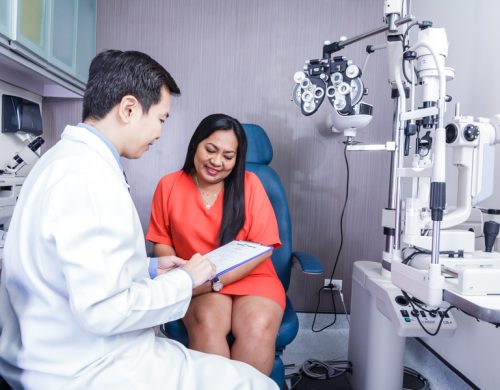
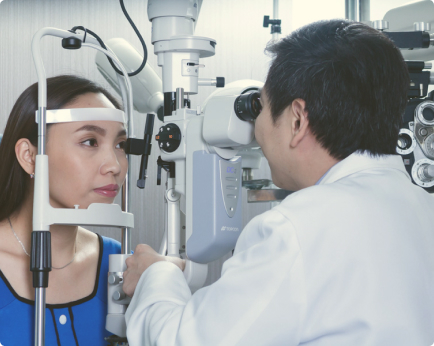
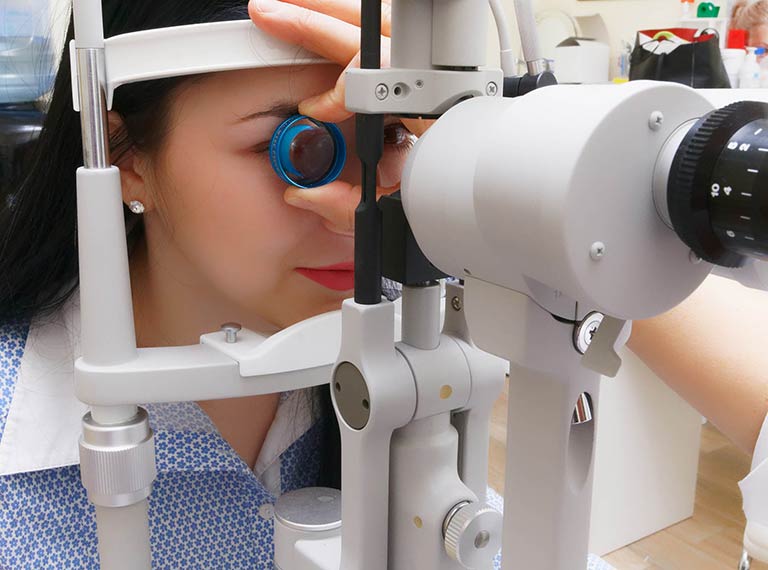
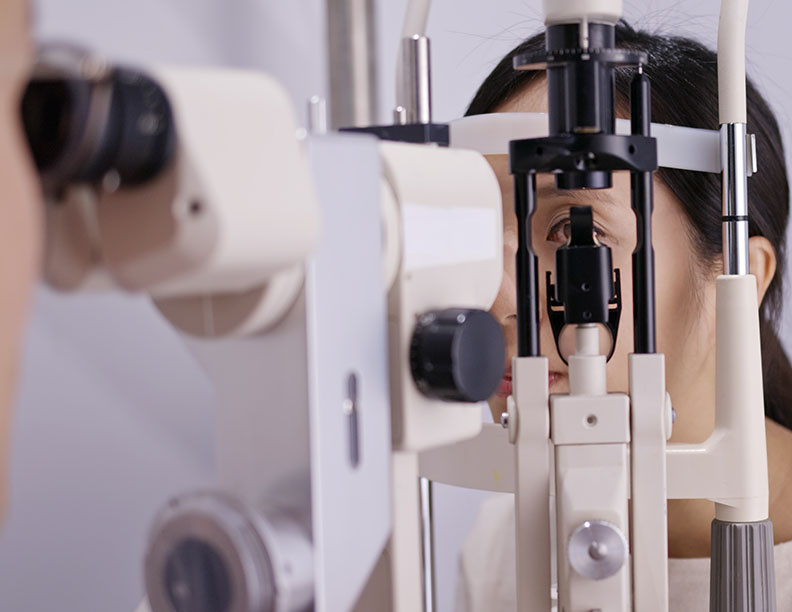
A typical eye appointment begins with questions about the patient’s symptoms, medical history, previous eye treatment, and current vision concerns. Visual acuity testing may be performed to determine how clearly the patient sees at various distances. Refraction testing may be used when the doctor needs to determine whether a different prescription could improve vision. Depending on the patient’s age and symptoms, the ophthalmologist may also examine the eye’s internal structures and measure eye pressure. Additional tests may be recommended when there is a concern involving the retina, optic nerve, cornea, or other parts of the eye. The doctor can then explain the findings and discuss whether observation, corrective lenses, medication, laser treatment, or surgery may be appropriate. Patients should use this appointment as an opportunity to ask questions and understand why a particular treatment plan has been recommended.
Preparing for a Laser Vision Consultation
Patients considering laser vision correction should take a few practical steps before visiting an eye clinic. Bring your current prescription, previous eye examination records, and information about any previous eye procedures. Tell the ophthalmologist about medications, medical conditions, allergies, and any recurring eye symptoms. Contact lens users may be asked to stop wearing their lenses for a specified period before certain measurements are performed. Following the clinic’s instructions carefully can help ensure that the screening measurements are as accurate as possible. Patients should also prepare questions about procedure options, recovery, potential side effects, expected results, and follow-up visits. Good preparation allows the consultation to focus on both medical suitability and the patient’s expectations.
Conditions Commonly Managed by Eye Specialists
Eye specialists treat and monitor many different conditions, ranging from straightforward refractive errors to complex diseases. Myopia can make distant objects appear blurry, while hyperopia can affect near or distance vision depending on its severity. Astigmatism can cause blurred or distorted vision because of an irregularly shaped cornea. Presbyopia commonly develops with age and can make close-up tasks such as reading more difficult. Cataracts can gradually cloud the natural lens, while glaucoma can affect the optic nerve and may require long-term monitoring. Retinal and corneal disorders can also require specialized evaluation by ophthalmologists with appropriate training. A comprehensive Eye and Laser Clinic Quezon City can determine whether a patient can be managed through general ophthalmology or needs referral to a subspecialist.
Eye Care for Children, Adults, and Older Patients
Eye-care requirements can change significantly throughout life. Children may need evaluation for refractive errors, eye alignment problems, or issues affecting visual development. Young adults may seek care for glasses, contact lenses, or consultations regarding laser vision correction. Adults may begin experiencing presbyopia as they get older, while people in later adulthood may face increased risks of cataracts, glaucoma, and retinal disorders. Individuals with diabetes or certain other medical conditions may require regular eye monitoring regardless of their age. Choosing an Eye and Laser Clinic Quezon City that can address the needs of the specific age group can make ongoing care more convenient. Parents and older adults may also benefit from choosing clinics with appropriate accessibility and facilities for their particular circumstances.
Understanding Eye Care and Laser Treatment Costs
Healthcare costs can vary significantly between clinics, procedures, and individual patients. A basic eye consultation may have a different fee from a specialized appointment involving imaging or other diagnostic tests. Laser vision correction can involve several separate expenses, including screening, professional fees, facility charges, medications, and follow-up appointments. Patients should ask whether the advertised price includes all necessary services or whether additional charges may apply. HMO or insurance coverage can also differ depending on whether a service is considered medically necessary or elective. Patients should verify coverage directly with their provider before scheduling an expensive procedure. Asking for an itemized estimate can make it easier to compare clinics and avoid unexpected expenses.
Location and Convenience in Quezon City
Quezon City covers a large geographic area, and patients can find eye-care services in hospitals, medical centers, and specialized clinics located in different neighborhoods. Choosing a convenient location can be especially helpful when a treatment plan requires several appointments. Patients should consider travel time, transportation options, parking, clinic schedules, and accessibility when selecting a facility. Those undergoing a procedure may also need to arrange transportation home, particularly if their vision may be temporarily affected after treatment. However, convenience should be considered alongside the qualifications of the medical team and the clinic’s ability to provide appropriate care. A nearby clinic may be convenient, but the most suitable facility should ultimately be the one that can address the patient’s medical needs safely and professionally.
Signs That Require Prompt Eye Evaluation
Some eye symptoms require faster attention than a routine appointment. Sudden loss of vision should always be taken seriously and may require urgent medical evaluation. Severe eye pain, significant trauma, or exposure to chemicals can also represent situations where immediate care is appropriate. Sudden flashes of light, a sudden increase in floaters, or a dark curtain appearing across the field of vision may indicate a serious retinal problem. Severe redness combined with pain or changes in vision should not be ignored. Patients should avoid waiting several days if symptoms are sudden, severe, or rapidly worsening. When uncertain, contacting an eye-care professional or appropriate urgent medical service is safer than attempting to determine the cause independently.
Making Eye Health Part of Your Long-Term Care
Protecting your vision requires more than correcting blurry eyesight when it becomes noticeable. Regular examinations can help monitor changes and identify conditions that may require treatment or observation. People who wear contact lenses should follow recommended hygiene and replacement practices to reduce avoidable eye complications. Protective eyewear can also be valuable during sports, construction, laboratory work, or other activities where eye injuries are possible. Patients with diabetes or other health conditions should follow their healthcare provider’s recommendations regarding eye screening. Any major or unexpected change in vision should be reported to an appropriate medical professional rather than ignored. Developing an ongoing relationship with a trusted Eye and Laser Clinic Quezon City can make it easier to receive timely examinations and appropriate treatment when circumstances change.
FAQ About Eye and Laser Clinic Quezon City
What does an Eye and Laser Clinic Quezon City offer?
Services vary depending on the facility, but an eye and laser clinic may offer comprehensive eye examinations, diagnostic testing, treatment for eye diseases, cataract care, glaucoma evaluation, retinal services, corneal care, and laser procedures. Some facilities also specialize in refractive surgery. Patients should check the clinic’s current service list before making an appointment.
Can I get LASIK at an eye clinic in Quezon City?
Some specialized clinics and hospital-based eye centers offer LASIK and other refractive procedures. However, not every patient is automatically eligible for laser surgery. A detailed examination and screening process is necessary before a doctor can determine whether the procedure is appropriate.
How do I choose an ophthalmologist in Quezon City?
Start by identifying the reason for your appointment and look for an ophthalmologist whose specialization matches your needs. Patients interested in LASIK may want a refractive surgery specialist, while those with retinal concerns may need a retina specialist. Professional qualifications, diagnostic capabilities, follow-up care, and communication should also be considered.
Is laser eye surgery appropriate for everyone?
No. Laser vision correction requires specific medical and anatomical conditions. Prescription stability, corneal characteristics, overall eye health, age, and other factors may affect eligibility. A qualified ophthalmologist should perform the necessary screening before treatment.
How much does LASIK cost in Quezon City?
The price varies according to the clinic, technology, surgeon, procedure, screening requirements, and follow-up services. Some clinics may offer packages, while others separate the costs of consultation, testing, treatment, and medication. Request a current itemized quotation before making a decision.
What should I bring to an eye appointment?
Bring your glasses, contact lens information, previous prescriptions, relevant medical records, and a list of medications when available. You should also be prepared to explain your symptoms and when they began. Writing down questions before the appointment can help you make better use of your consultation.
How often should I visit an eye doctor?
The appropriate schedule depends on your age, eye health, medical history, risk factors, and existing conditions. Some people may only require periodic examinations, while patients with certain diseases may need more frequent monitoring. Your ophthalmologist can recommend an examination schedule based on your individual needs.
What eye symptoms require urgent attention?
Sudden vision loss, severe eye pain, serious injury, chemical exposure, sudden flashes, numerous new floaters, or a curtain-like shadow over your vision can require urgent evaluation. These symptoms should not be ignored or postponed until a convenient appointment. Prompt professional assessment can be important when serious eye conditions are possible.
Takeaway
Choosing an Eye and Laser Clinic Quezon City is an important decision for anyone seeking professional vision care or considering laser treatment. The right facility should have qualified eye specialists, appropriate diagnostic capabilities, suitable treatment options, and clear communication with patients. People interested in LASIK or other refractive procedures should receive a thorough examination before deciding whether laser correction is appropriate for them. Patients should also consider the clinic’s experience, technology, accessibility, pricing structure, and follow-up services. Routine eye examinations can help identify and monitor conditions even when noticeable symptoms are absent. Sudden or severe vision changes should receive prompt professional attention rather than being treated as ordinary eyesight problems. By choosing professional care based on individual needs and asking informed questions, patients can take meaningful steps toward maintaining healthy vision and receiving appropriate treatment.