Joint pain, sports injuries, and limited mobility can affect nearly every aspect of daily life. Simple activities such as walking, climbing stairs, lifting objects, or participating in favorite sports may become difficult when the hips, knees, or shoulders are affected by an orthopedic condition. Finding the right specialist can help patients understand their symptoms and explore suitable treatment options. For individuals searching for Dr lao orthopedic services, Dr. Lawrence Lao, MD, offers specialized orthopedic care focused on hip, knee, and shoulder reconstruction, sports surgery, and arthroscopy.
Lao Orthopedic Services supports patients seeking assessment and treatment for a range of musculoskeletal concerns. With training in orthopedic traumatology and additional subspecialty education in hip and knee advanced reconstruction and sports surgery and arthroscopy, Dr. Lao brings relevant expertise to the evaluation of joint conditions and injuries. Patients from Naga, Camarines Sur, Legazpi, and nearby Bicol communities may consider an orthopedic consultation when pain, instability, or restricted movement begins to interfere with their routines.
Understanding the available services, the doctor’s background, and the treatment process can help patients prepare for their next steps. This guide explains what Dr lao orthopedic services cover, when to seek orthopedic care, and what patients should know about common conditions such as ACL tears.
Who Is Dr. Lawrence Lao?
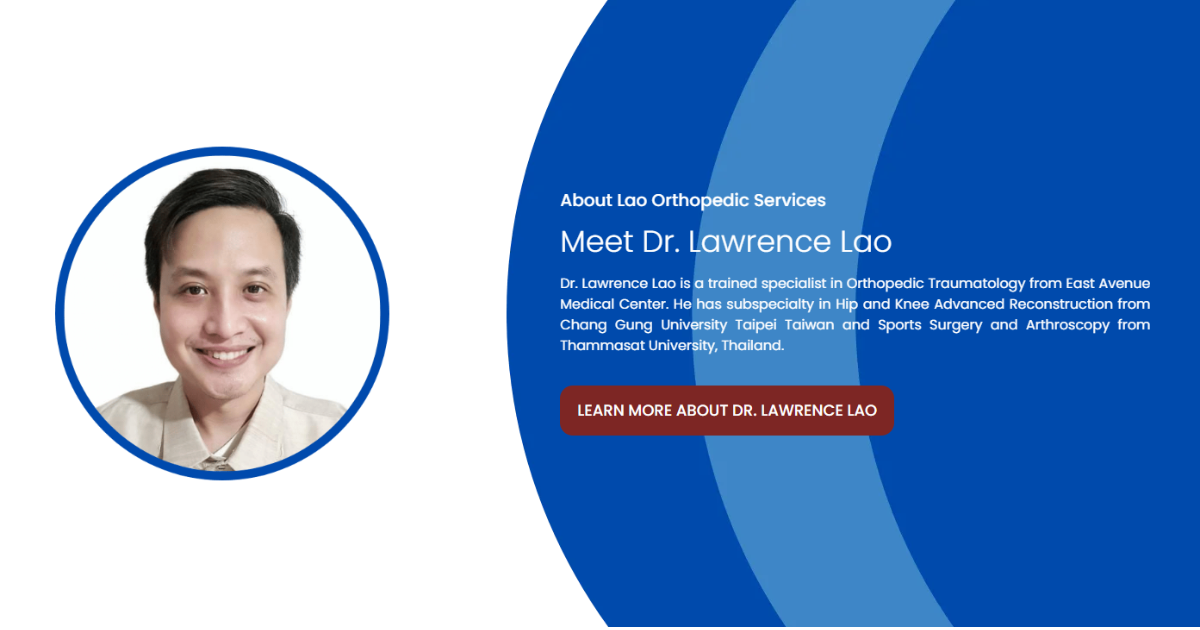
Dr. Lawrence Lao, MD, is an orthopedic surgeon with a reported 16 years of experience in medicine. His professional background includes orthopedic traumatology training at East Avenue Medical Center, subspecialty training in hip and knee advanced reconstruction at Chang Gung University in Taipei, Taiwan, and additional training in sports surgery and arthroscopy at Thammasat University in Thailand.
These areas of training relate to different aspects of musculoskeletal care. Orthopedic traumatology addresses injuries involving bones, joints, and surrounding structures. Hip and knee reconstruction focuses on selected conditions that affect joint function, while sports surgery and arthroscopy address certain injuries and joint problems that may benefit from surgical treatment.
For patients researching Dr lao orthopedic, understanding these qualifications can help clarify the types of orthopedic concerns they may wish to discuss during a consultation. An orthopedic surgeon evaluates symptoms, examines the affected area, reviews relevant medical records, and determines whether further testing or treatment is appropriate.
Medical Background and Orthopedic Training
Orthopedic traumatology involves the assessment and treatment of injuries affecting the musculoskeletal system. These injuries may result from sports, road accidents, falls, workplace incidents, or other forms of physical trauma. Depending on the injury, treatment may involve immobilization, rehabilitation, or surgery.
Dr. Lao’s training at East Avenue Medical Center forms part of his reported orthopedic background. This experience is relevant to patients who need an evaluation of joint injuries, musculoskeletal trauma, or movement difficulties following an accident.
Patients should remember that the correct treatment depends on the specific diagnosis. Similar symptoms can arise from different conditions, so an examination is important before deciding which approach is appropriate.
Advanced Training in Hip and Knee Reconstruction
Dr. Lao completed subspecialty training in hip and knee advanced reconstruction at Chang Gung University in Taipei, Taiwan. This area of orthopedic care focuses on conditions that can substantially affect the function of these joints.
Hip and knee problems may develop because of degenerative joint disease, previous injuries, structural damage, or other medical conditions. Some patients experience stiffness and discomfort that gradually worsen, while others develop symptoms after a sudden injury.
Joint reconstruction may be considered when damage significantly limits movement or causes persistent symptoms that have not improved sufficiently with appropriate conservative treatment. The suitability of surgery depends on the patient’s condition, overall health, functional needs, and treatment goals.
For those searching for Dr lao orthopedic care for hip or knee concerns, a consultation can help establish whether the symptoms may benefit from conservative management, further investigation, or a surgical opinion.
Specialized Training in Sports Surgery and Arthroscopy
Dr. Lao also completed subspecialty training in sports surgery and arthroscopy at Thammasat University in Thailand. Sports-related orthopedic care addresses injuries involving ligaments, cartilage, tendons, and other structures that support joint movement.
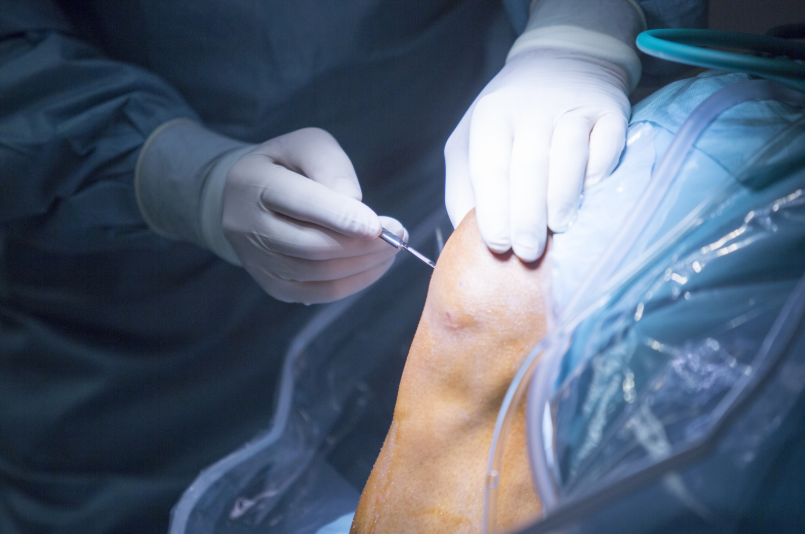
Arthroscopy is a minimally invasive surgical technique that uses a small camera and specialized instruments to examine or treat certain joint problems. It may be appropriate for selected conditions affecting the knee, shoulder, and other joints. However, not every injury can be treated arthroscopically, and the procedure is not suitable for every patient.
This training is particularly relevant to athletes and active individuals who want to understand the cause of an injury and explore options for restoring function. Patients looking into Dr lao orthopedic services can discuss their symptoms, activity goals, and treatment expectations during an assessment.
What Orthopedic Conditions Can Dr. Lao Help Assess?
Orthopedic care covers a wide range of conditions affecting bones, joints, ligaments, tendons, muscles, and related structures. At Lao Orthopedic Services, the stated areas of specialization include hip, knee, and shoulder reconstruction, sports surgery, and arthroscopy.
The most appropriate treatment depends on the affected joint, the severity of the condition, the patient’s medical history, and the impact of symptoms on everyday life.
Hip Pain and Hip Joint Problems
Hip pain can develop gradually or occur after an injury. Some people notice discomfort while walking, standing for long periods, or getting up from a seated position. Others experience stiffness, reduced range of motion, or pain that interferes with sleep and daily activities.
Possible causes include osteoarthritis, joint damage, fractures, and soft-tissue conditions. The location of pain and the circumstances surrounding its onset can provide useful information, although a clinical evaluation is needed to determine the cause.
Treatment may involve activity adjustments, medication prescribed by a qualified healthcare professional, physical therapy, or other conservative measures. Hip reconstruction may be considered for selected patients with significant joint damage or persistent functional limitations.
Patients searching for Dr lao orthopedic services because of ongoing hip discomfort should explain when the symptoms began, which movements trigger pain, and whether walking or other daily activities have become difficult.
Knee Pain and Knee Injuries
The knee supports body weight and plays an essential role in walking, running, jumping, and climbing stairs. Pain in this joint may result from ligament injuries, cartilage damage, osteoarthritis, overuse, or direct trauma.
Common symptoms include swelling, stiffness, tenderness, difficulty bending the knee, and a feeling of instability. Some patients notice symptoms after a sports injury, while others develop discomfort gradually.
An orthopedic assessment may include a review of the injury history, a physical examination, and imaging when indicated. Treatment can range from activity modification and rehabilitation to surgery for selected structural injuries.
Knee reconstruction may be considered when the joint has sustained significant damage or when a condition substantially affects stability and function. Patients should not assume that every painful knee requires surgery. Identifying the underlying cause is an important first step toward selecting an appropriate treatment plan.
Shoulder Pain and Shoulder Joint Conditions
Shoulder problems can make reaching overhead, dressing, carrying objects, and sleeping comfortably more difficult. Pain may develop after a fall, repetitive activity, sports participation, or gradual changes affecting the joint and surrounding tissues.
Symptoms may include restricted movement, weakness, discomfort while lifting the arm, or pain during certain activities. Different conditions can produce similar symptoms, which is why an accurate assessment matters.
Treatment depends on the diagnosis and may include rehabilitation, activity modification, medication, or surgery when indicated. Shoulder reconstruction is one of the specialized services listed by Lao Orthopedic Services.
For individuals exploring Dr lao orthopedic care for shoulder pain, describing the activities that trigger discomfort and any history of trauma can help the doctor evaluate the problem.
Sports Injuries and Orthopedic Trauma
Sports injuries can affect beginners, recreational athletes, and experienced competitors. Sudden stops, changes of direction, awkward landings, collisions, and repetitive movements can place stress on joints and supporting tissues.
Common orthopedic sports injuries include ligament tears, cartilage damage, tendon injuries, and joint sprains. Road accidents, falls, and workplace incidents can also cause injuries that require orthopedic evaluation.
The correct response depends on the severity of the injury. Rest and appropriate initial care may be sufficient for some minor problems, while significant swelling, joint instability, severe pain, or difficulty bearing weight may require prompt medical assessment.
An orthopedic consultation can help determine whether imaging, rehabilitation, or surgical treatment should be considered. Patients searching for Dr lao orthopedic services can discuss their injury, current limitations, and goals for returning to work, exercise, or sports.
Understanding ACL Tears and ACL Reconstruction
The anterior cruciate ligament, commonly called the ACL, is one of the major ligaments that help stabilize the knee. It plays an important role during movements that involve pivoting, sudden direction changes, jumping, and landing.
An ACL injury can affect athletes and nonathletes alike. It may occur during sports or other activities that place sudden stress on the knee. Understanding the symptoms and available treatment options can help patients make informed decisions with their healthcare provider.
What Is the Anterior Cruciate Ligament?
The ACL connects the thighbone, or femur, to the shinbone, or tibia. It helps control forward movement of the shinbone and contributes to rotational stability in the knee.
When the ligament tears, the knee may become less stable, particularly during activities involving quick turns or changes in direction. The severity of an injury can vary, and other structures in the knee may also be affected.
A suspected ACL injury should be assessed by a qualified healthcare professional. A physical examination and appropriate imaging may help determine the extent of the damage and whether additional injuries are present.
Common Signs of an ACL Injury
ACL injuries can cause several symptoms, although not every patient experiences all of them. Common signs include:
- A popping sensation or sound at the time of injury.
- Swelling that develops after the incident.
- Pain or difficulty continuing the activity.
- A feeling that the knee may give way.
- Reduced range of motion or difficulty bending the knee.
- Difficulty returning to sports or activities that involve pivoting.
These symptoms are not exclusive to ACL tears. Meniscus injuries, other ligament injuries, fractures, and different knee conditions can produce similar signs. A professional assessment is therefore important before drawing conclusions about the injury.
When Is ACL Reconstruction Considered?
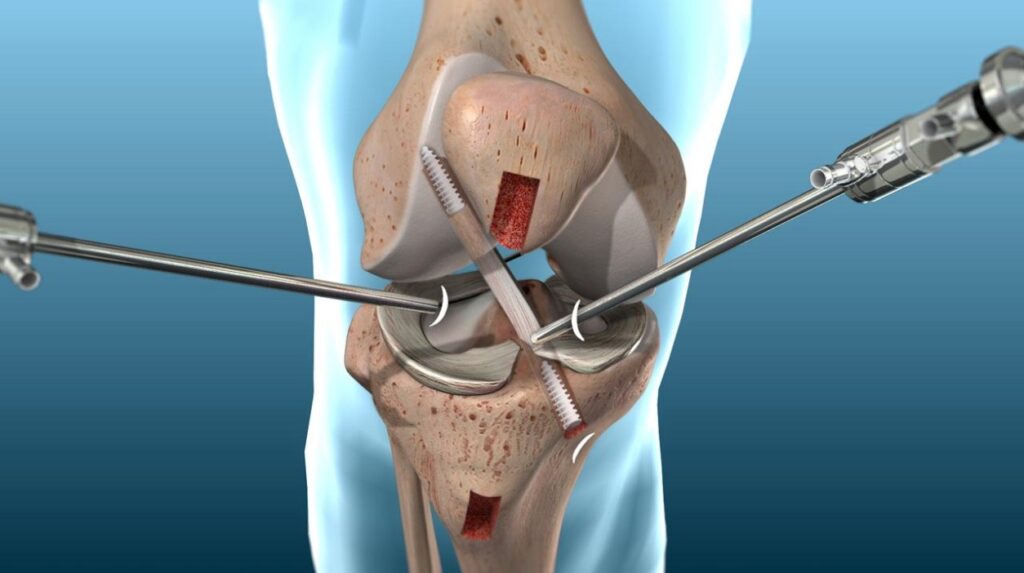
ACL reconstruction is a surgical procedure that replaces a torn ligament with a graft to help restore knee stability. It may be considered for patients with significant instability, certain associated injuries, or activity requirements that make a stable knee particularly important.
The decision to operate depends on several factors, including the severity of the injury, the patient’s age and activity level, the presence of additional damage, and the response to rehabilitation. Some patients can manage an ACL tear with structured rehabilitation and activity modification without surgery.
Patients researching Dr lao orthopedic services for ACL injuries should ask about the benefits and risks of the available options, expected rehabilitation requirements, and the likely effect of each approach on their daily activities.
What Can Patients Expect During Recovery?
Recovery after ACL reconstruction involves more than the surgical procedure itself. Rehabilitation helps patients regain range of motion, rebuild strength, improve balance, and progressively restore knee function.
The recovery plan may include exercises supervised by a physical therapist, follow-up consultations, and gradual increases in activity. Progress varies according to the procedure, associated injuries, individual healing, and consistency with rehabilitation.
Returning to sports too early can increase the risk of reinjury. Decisions about resuming demanding activities should be based on clinical assessment and functional testing, rather than time alone.
People considering ACL reconstruction should discuss the anticipated recovery process with their orthopedic surgeon before making treatment decisions. Understanding the time commitment and rehabilitation goals can help patients plan for work, school, family responsibilities, and sports participation.